PREVENTING JIU JITSU INJURIES IN ATHLETES
PREVENTING JIU-JITSU INJURIES
IN ATHLETES

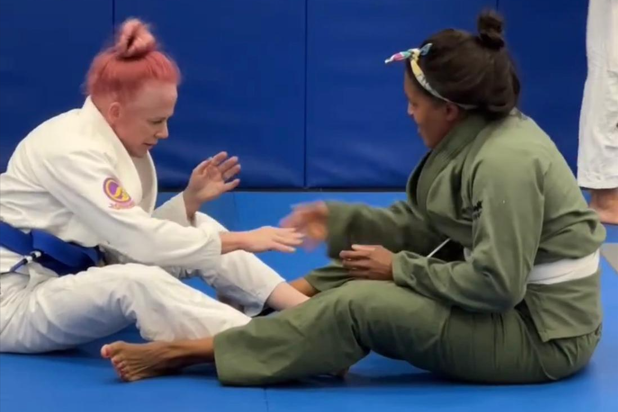
Jiu-jitsu Injuries: Causes, Symptoms & Treatment
Preventing Jiu Jitsu injuries is important for athletes who train and compete in the sport. These injuries often occur due to joint locks, repetitive strain, and high physical demand. Understanding preventing jiu jitsu injuries early can help reduce pain, improve performance, and support long-term training safety.
The most common Jiu Jitsu injuries involve the shoulders, knees, neck, and lower back. These injuries may occur from sudden movements, joint locks, or repetitive strain over time. Without proper care, they can lead to chronic pain and limitations in performance.
Common Symptoms of Jiu Jitsu Injuries
- Joint pain (shoulders, elbows, knees)
- Muscle tightness or strain
- Decreased flexibility or mobility
- Weakness during training or rolling
- Difficulty performing techniques
Even minor discomfort can impact your ability to train effectively. Simple movements such as gripping, transitioning, or maintaining positions may become challenging.
Treatment for Jiu Jitsu Injuries at Abide Physical Therapy
At Abide, we understand how important it is for you to get back on the mat feeling strong and confident. Our approach is designed to support your recovery in a way that’s personal, effective, and centered around your goals.
We take the time to understand your injury, your movement, and your training—so your plan truly fits you.
We don’t just ease the pain—we work to find and address what’s causing it, helping you avoid future setbacks.
How Abide Helps Treat Jiu Jitsu Injuries?
At Abide, we understand the unique physical demands of Jiu Jitsu. Once your condition has been assessed, we will guide you through a personalized treatment plan focused on restoring mobility, strength, and control.
Early intervention is key. Addressing pain or discomfort at the first sign can prevent further injury and help you return to training safely. Abide will also educate you on proper movement strategies, recovery techniques, and injury prevention to keep you performing at your best.
Consistency with your program and proper technique can significantly reduce your risk of injury and improve your overall performance on the mat.Jiu Jitsu injuries are common due to the physical and technical demands of the sport. These Jiu Jitsu injuries often occur from joint locks, sudden movements, and repetitive strain during training. Jiu Jitsu requires strength, flexibility, and endurance, but it also places significant stress on the body. While it’s an excellent way to stay active and build discipline, many practitioners experience Jiu Jitsu injuries at some point in their training.
Treatment Techniques (Perform 2x daily)
Hip Bridges
- Lie on your back with knees bent and feet flat
- Lift hips toward the ceiling while squeezing glutes
- Pause 3–5 seconds at the top
- Reps: 10
- Sets: 2
Thoracic Rotation (Open Book)
Lie on one side with knees bent Arms extended in front, palms together Rotate top arm backward while following with your eyes
- Pause 3–5 seconds
- Reps: 10 each side
- Sets: 2
Shoulder Blade Squeezes
- Sit or stand upright
- Pull shoulder blades back and down
- Hold for 5 seconds
- Reps: 10
- Sets: 2
Neck Mobility Stretch
- Sit tall and gently tilt head to one side
- Hold stretches for 10–15 seconds
- Repeat on both sides
- Reps: 5
- Sets: 2
Proper treatment of Jiu Jitsu injuries is essential for long-term performance and injury prevention.
Blog Articles
Blog Articles
Preventing Jiujitsu Injuries in Athletes
September: National Pain Awareness Month

Nutrition: Is this diet right for me?

Age and Resistance Training

Common Misconceptions About Weight Lifting