4 COMMON MISCONCEPTIONS ABOUT WEIGHT LIFTING

4 COMMON MISCONCEPTIONS ABOUT WEIGHT LIFTING

  • Dr. Michelle
  • June 18 2022
  • Physical Therapy

Many people have misconceptions about weight lifting. Here are some of the most common assumptions.

1. Heavy lifting is not safe

  • For those who are novice, this would apply. However, there are multiple high-quality studies demonstrating high intensity resistance training safe for individuals as they transition into their 80’s!
  • This is the most effective way to build strength and maintain bone density.  

2. I’m too old to lift weights

  • Maintaining strength is vital as we age!
  • Maintaining strength is also an effective way to stay out of the doctor’s (and PT’s) office and reduce your risk for joint replacements, low back pain, and broken bones.

3. Squatting is bad for my knees

These are the facts:

  • We decrease our functional capacity when our quad strength is not optimal.
  • Dr. Michelle squats to improve her quad strength and prevent knee pain and/or injury. 
  • Regardless of the degree of arthritis, people with stronger legs have less knee pain. In a review of over 2000 adults ages 60-80 years old, quadriceps strength was significantly correlated to knee pain.

Exercise Recommendations

The American College of Sports Medicine, American Heart Association, and American Diabetes Association all recommend resistance training at least twice per week. 

Although this blog has focused on resistance training, do not forget to incorporate a moderate intensity cardiovascular exercise at least 150 minutes per week.

If you are unsure how to start, a safe option is to consult a personal trainer who is highly skilled in functional movement, strength coach, or physical therapist.

Dr. Michelle personally recommends the following Strength Coaches in the East Valley:

Other Resources

American College of Sports Medicine – Exercise Guidelines As We Get Older

Schedule a Free Appointment

Blog Articles

Blog Articles

14 May

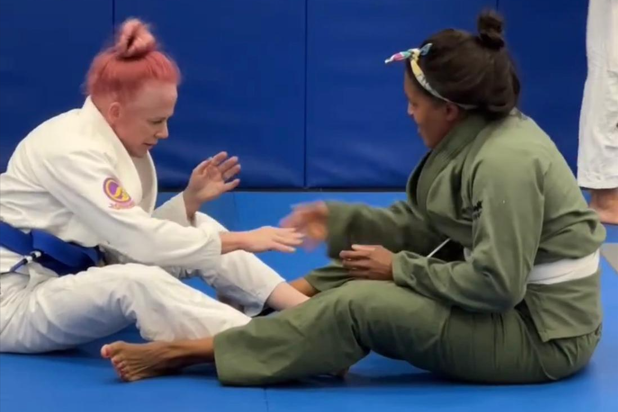
Preventing Jiujitsu Injuries in Athletes

Jiu Jitsu Injuries: Causes, Symptoms & Treatment
Physical Therapy

21 Sep
September: National Pain Awareness Month

Millions of Americans deal with pain on a daily basis. These statistics from the Integrative Pain Science Institute are eye-opening…
Physical Therapy, Pain Management

13 Aug

Nutrition: Is this diet right for me?

It’s important to understand each diet when choosing the best one for you…
Health & Wellness

07 Jul

Age and Resistance Training

Resistance training is the best way to make sure side effects of aging don’t affect your quality of life. And the research is present to back this up!
Physical Therapy, Pain Management

18 Jun

Common Misconceptions About Weight Lifting

The American College of Sports Medicine, American Heart Association, and American Diabetes Association all recommend resistance training at least 2X per week.
Physical Therapy

09 May
Hydration: The Good, The Bad & The Ugly

Did you know that the best way to avoid dehydration is to drink before you get thirsty?
Health & Wellness

27 April
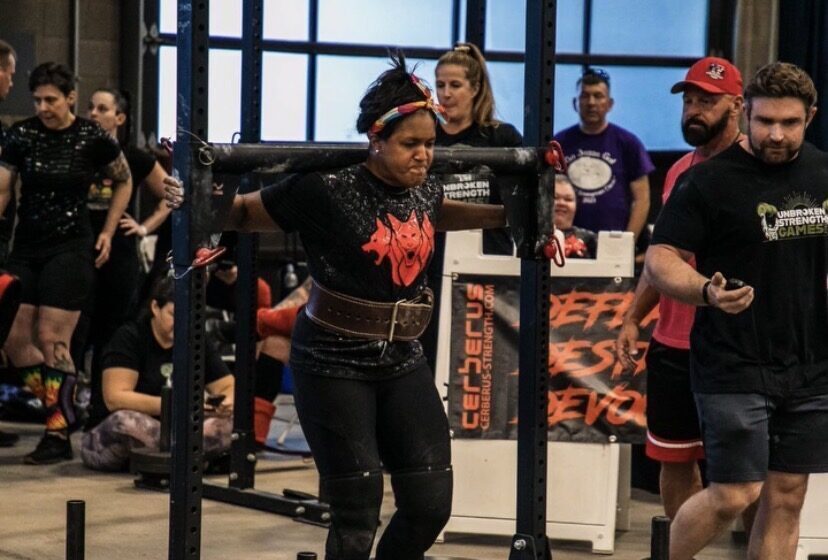
Weightlifting Injuries and Treatment

Weightlifting Injuries: Lift Strong, Recover Smart
Physical Therapy, Strength Training

Schedule Appointment

Schedule Appointment

Continue reading

AGE AND RESISTANCE TRAINING

AGE AND RESISTANCE TRAINING

  • Dr. Michelle
  • July 7 2022
  • Physical Therapy, Strength Training

How to Navigate Exercise as You Age

Common statements I’ve heard from patients over the years as it pertains to lifting weights:

  • I’m too old to lift weights
  • It’s not safe
  • I will get injured

The truth is that aging unfortunately can lead to the loss of strength, lean muscle mass, and bone density. But it doesn’t have to be that way!

Resistance training is the best way to make sure side effects of aging don’t affect your quality of life. And the research is present to back this up!

Did you know that when you participate in resistance training, you’re influencing the nervous system, cardiovascular system and endocrine system? This helps reduce your risk of injury and will even slow disease progression.[1][2]

Increased Strength and Lean Muscle Mass

  • When Strength deficits are present, this is a direct link to injury in the future. For example, weakness in the hips and trunk (abdominals and back) has been linked with low back pain, hip pain, arthritis, and knee injuries.[3]
  • Did you know that if you are 60+ years old, strength training can reverse some of the normal effects of aging such as muscle loss?

Research is clear that you can still get stronger, improve muscle firing rate, and build muscle mass to help reduce injury.[4]

Increased Bone Density

  • Reduced bone mineral density significantly increases your risk of fractures which can be painful, expensive to manage, and cause long term disability in some cases.
  • Bone is actually one of the most adaptive tissues in our body. All tissues and organisms adapt based on the stresses applied to them.[1] This is particularly noticeable with bone.
  • Bone density increases significantly with the stress of muscle contraction, impact such as running, or compressive loading.  But the opposite is true as well. The absence of impact, load, and contraction at a high enough intensity will lead to the loss of bone density.
  • Resistance training, especially at high intensities, has been shown to be one of the most effective ways to improve bone density and reduce the risk for fractures in older adults.
  • Bone density in women decreases significantly after menopause, which leads to a 3x higher rate of hip fractures in women than men. This makes premenopausal strengthening for women especially important. Don’t wait to get started – it is much easier to maintain density than reverse the effects of osteoporosis.

Improved Cardiovascular Health

  • Regular resistance training also helps modify many risk factors of cardiovascular disease.[1]
  • Research has also shown improved aerobic capacity and a reduced resting heart rate.[2]

Other Benefits of Resistance Training

  • Did you know that when you consistently strength train, it will  Improve your cognition such that you will increase your Scrabble performance?
  • Did you know that resistance training Improves glucose control, hormone regulation, and insulin sensitivity?
  • Improved sleep, and reduced stress levels and a decrease in cardiac events
  • Increased mobility for daily function

References

[1] Mayer F, Scharhag-Rosenberger F, Carlsohn A, Cassel M, Müller S, Scharhag J. The intensity and effects of strength training in the elderly. Dtsch Arztebl Int. 2011;108(21):359-364. doi:10.3238/arztebl.2011.0359

[2] Williams MA, Haskell WL, Ades PA, et al. Resistance exercise in individuals with and without cardiovascular disease: 2007 update: a scientific statement from the American Heart Association Council on Clinical Cardiology and Council on Nutrition, Physical Activity, and Metabolism. Circulation. 2007;116(5):572-584. doi:10.1161/CIRCULATIONAHA.107.185214

[3] Saeidifard F, Medina-Inojosa JR, West CP, et al. The association of resistance training with mortality: A systematic review and meta-analysis. Eur J Prev Cardiol. 2019;26(15):1647-1665. doi:10.1177/2047487319850718

[4] Kamada M, Shiroma EJ, Buring JE, Miyachi M, Lee IM. Strength Training and All-Cause, Cardiovascular Disease, and Cancer Mortality in Older Women: A Cohort Study. J Am Heart Assoc. 2017;6(11):e007677. Published 2017 Oct 31. doi:10.1161/JAHA.117.007677

Schedule a Free Appointment

Blog Articles

Blog Articles

14 May

Preventing Jiujitsu Injuries in Athletes

Jiu Jitsu Injuries: Causes, Symptoms & Treatment
Physical Therapy

21 Sep

September: National Pain Awareness Month

Millions of Americans deal with pain on a daily basis. These statistics from the Integrative Pain Science Institute are eye-opening…
Physical Therapy, Pain Management

13 Aug

Nutrition: Is this diet right for me?

It’s important to understand each diet when choosing the best one for you…
Health & Wellness

07 Jul

Age and Resistance Training

Resistance training is the best way to make sure side effects of aging don’t affect your quality of life. And the research is present to back this up!
Physical Therapy, Pain Management

18 Jun

Common Misconceptions About Weight Lifting

The American College of Sports Medicine, American Heart Association, and American Diabetes Association all recommend resistance training at least 2X per week.
Physical Therapy

09 May

Hydration: The Good, The Bad & The Ugly

Did you know that the best way to avoid dehydration is to drink before you get thirsty?
Health & Wellness

Schedule Appointment

Schedule Appointment

Continue reading

WEIGHTLIFTING INJURIES AND TREATMENT

WEIGHTLIFTING INJURIES AND TREATMENT

  • Dr. Michelle
  • April 27 2026
  • Physical Therapy

Schedule a Free Appointment

Blog Articles

Blog Articles

14 May

Preventing Jiujitsu Injuries in Athletes

Jiu Jitsu Injuries: Causes, Symptoms & Treatment
Physical Therapy

21 Sep

September: National Pain Awareness Month

Millions of Americans deal with pain on a daily basis. These statistics from the Integrative Pain Science Institute are eye-opening…
Physical Therapy, Pain Management

13 Aug

Nutrition: Is this diet right for me?

It’s important to understand each diet when choosing the best one for you…
Health & Wellness

07 Jul

Age and Resistance Training

Resistance training is the best way to make sure side effects of aging don’t affect your quality of life. And the research is present to back this up!
Physical Therapy, Pain Management

18 Jun

Common Misconceptions About Weight Lifting

The American College of Sports Medicine, American Heart Association, and American Diabetes Association all recommend resistance training at least 2X per week.
Physical Therapy

09 May

Hydration: The Good, The Bad & The Ugly

Did you know that the best way to avoid dehydration is to drink before you get thirsty?
Health & Wellness

Schedule Appointment

Schedule Appointment

Continue reading

PREVENTING JIU JITSU INJURIES IN ATHLETES

PREVENTING JIU-JITSU INJURIES
IN ATHLETES

  • Dr. Michelle
  • May 14 2026
  • Physical Therapy

Jiu-jitsu Injuries: Causes, Symptoms & Treatment

Preventing Jiu Jitsu injuries is important for athletes who train and compete in the sport. These injuries often occur due to joint locks, repetitive strain, and high physical demand. Understanding preventing jiu jitsu injuries early can help reduce pain, improve performance, and support long-term training safety.

The most common Jiu Jitsu injuries involve the shoulders, knees, neck, and lower back. These injuries may occur from sudden movements, joint locks, or repetitive strain over time. Without proper care, they can lead to chronic pain and limitations in performance.

Common Symptoms of Jiu Jitsu Injuries

  • Joint pain (shoulders, elbows, knees)
  • Muscle tightness or strain
  • Decreased flexibility or mobility
  • Weakness during training or rolling
  • Difficulty performing techniques

Even minor discomfort can impact your ability to train effectively. Simple movements such as gripping, transitioning, or maintaining positions may become challenging.

Treatment for Jiu Jitsu Injuries at Abide Physical Therapy

At Abide, we understand how important it is for you to get back on the mat feeling strong and confident. Our approach is designed to support your recovery in a way that’s personal, effective, and centered around your goals.

We take the time to understand your injury, your movement, and your training—so your plan truly fits you.

We don’t just ease the pain—we work to find and address what’s causing it, helping you avoid future setbacks.

How Abide Helps Treat Jiu Jitsu Injuries?

At Abide, we understand the unique physical demands of Jiu Jitsu. Once your condition has been assessed, we will guide you through a personalized treatment plan focused on restoring mobility, strength, and control.

Early intervention is key. Addressing pain or discomfort at the first sign can prevent further injury and help you return to training safely. Abide will also educate you on proper movement strategies, recovery techniques, and injury prevention to keep you performing at your best.

Consistency with your program and proper technique can significantly reduce your risk of injury and improve your overall performance on the mat.Jiu Jitsu injuries are common due to the physical and technical demands of the sport. These Jiu Jitsu injuries often occur from joint locks, sudden movements, and repetitive strain during training. Jiu Jitsu requires strength, flexibility, and endurance, but it also places significant stress on the body. While it’s an excellent way to stay active and build discipline, many practitioners experience Jiu Jitsu injuries at some point in their training.

Treatment Techniques (Perform 2x daily)

Hip Bridges

  • Lie on your back with knees bent and feet flat
  • Lift hips toward the ceiling while squeezing glutes
  • Pause 3–5 seconds at the top
  • Reps: 10
  • Sets: 2

Thoracic Rotation (Open Book)

Lie on one side with knees bent Arms extended in front, palms together Rotate top arm backward while following with your eyes

  • Pause 3–5 seconds
  • Reps: 10 each side
  • Sets: 2

Shoulder Blade Squeezes

  • Sit or stand upright
  • Pull shoulder blades back and down
  • Hold for 5 seconds
  • Reps: 10
  • Sets: 2

Neck Mobility Stretch

  • Sit tall and gently tilt head to one side
  • Hold stretches for 10–15 seconds
  • Repeat on both sides
  • Reps: 5
  • Sets: 2

Proper treatment of Jiu Jitsu injuries is essential for long-term performance and injury prevention.

Schedule a Free Appointment

Blog Articles

Blog Articles

14 May

Preventing Jiujitsu Injuries in Athletes

Jiu Jitsu Injuries: Causes, Symptoms & Treatment
Physical Therapy

21 Sep

September: National Pain Awareness Month

Millions of Americans deal with pain on a daily basis. These statistics from the Integrative Pain Science Institute are eye-opening…
Physical Therapy, Pain Management

13 Aug

Nutrition: Is this diet right for me?

It’s important to understand each diet when choosing the best one for you…
Health & Wellness

07 Jul

Age and Resistance Training

Resistance training is the best way to make sure side effects of aging don’t affect your quality of life. And the research is present to back this up!
Physical Therapy, Pain Management

18 Jun

Common Misconceptions About Weight Lifting

The American College of Sports Medicine, American Heart Association, and American Diabetes Association all recommend resistance training at least 2X per week.
Physical Therapy

09 May

Hydration: The Good, The Bad & The Ugly

Did you know that the best way to avoid dehydration is to drink before you get thirsty?
Health & Wellness

Schedule Appointment

Schedule Appointment

Continue reading